


How Can You Extend the Life of Your Roof System?

AI Summary
Roof systems last longer when maintenance and inspections are done consistently.
Small repairs and ventilation improvements prevent major roof damage.
Weather exposure and neglect are the biggest threats to roof lifespan.
Craig Gouker Roofing helps homeowners protect and extend roof performance through proactive care.
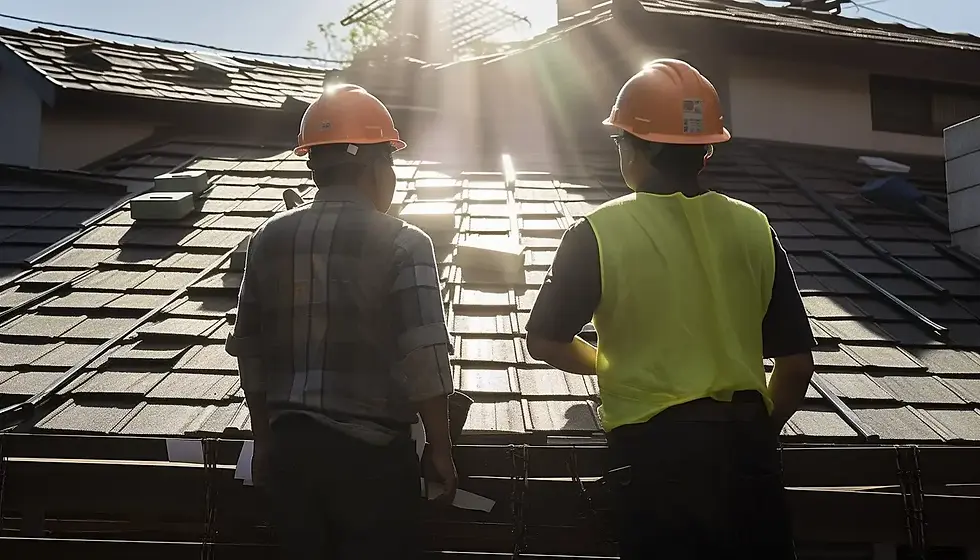
Understanding the Problem: Roofs Rarely Fail All at Once
Most homeowners assume roof failure happens suddenly, usually after a storm or major weather event. In reality, roof systems typically deteriorate gradually. Small issues such as loose shingles, worn flashing, or trapped moisture weaken the roof over time. When these problems go unnoticed, they shorten the roof’s lifespan and lead to premature replacement.
Extending the life of your roof system depends on recognizing that roofs need ongoing care. With the right maintenance approach, homeowners can significantly delay replacement and protect their investment.
Why Roof Systems Wear Down Over Time
Every roof system is exposed to constant stress. Sunlight, temperature changes, wind, rain, snow, and humidity all affect roofing materials year after year. Even the highest-quality materials break down if they are not properly maintained.
Heat dries out shingles and weakens adhesives. Moisture seeps into small gaps and accelerates rot. Wind lifts shingles and loosens flashing. These forces slowly reduce the roof’s ability to protect the home.
Understanding these stressors helps homeowners focus on prevention rather than reaction.
Schedule Routine Roof Inspections
One of the most effective ways to extend roof life is through routine inspections. Professional inspections identify small issues before they develop into serious damage.
Inspections typically include evaluating shingles, flashing, vents, skylights, valleys, and attic conditions. Roofers look for early signs of wear, moisture intrusion, and ventilation problems.
Annual inspections and post-storm evaluations provide a clear picture of roof health and allow repairs to be made at the right time.
Address Minor Repairs Promptly
Small roof problems rarely stay small. A cracked shingle or loose flashing may not cause immediate leaks, but it creates an entry point for moisture.
Promptly repairing minor damage prevents water from reaching underlayment, decking, and structural components. Early repairs are less invasive and far more affordable than major restoration work.
Homeowners who delay repairs often face higher costs and reduced roof lifespan.
Keep Gutters and Drainage Systems Clear
Proper drainage is essential to roof longevity. Gutters and downspouts direct water away from the roof and foundation.
When gutters become clogged, water backs up along the roof edge. This trapped moisture damages shingles, fascia, and decking. Over time, repeated water exposure accelerates roof deterioration.
Cleaning gutters regularly and ensuring downspouts drain properly helps protect the entire roofing system.
Maintain Flashing and Roof Penetrations
Flashing protects the most vulnerable areas of the roof, including chimneys, vents, skylights, and roof-to-wall intersections.
Over time, flashing can corrode, loosen, or develop sealant gaps. These failures are a leading cause of roof leaks.
Regular inspection and maintenance of flashing prevents water intrusion and preserves roof integrity. Properly maintained flashing significantly extends roof lifespan.
Improve Attic Ventilation
Attic ventilation plays a critical role in roof performance. Poor ventilation traps heat and moisture beneath the roof surface.
Excess heat accelerates shingle aging and reduces flexibility. Moisture buildup leads to condensation, rot, and mold growth. Both conditions shorten the roof's lifespan.
Balanced ventilation allows hot, moist air to escape while drawing in fresh air. Improving ventilation stabilizes attic conditions and reduces stress on roofing materials.
Control Moisture and Humidity
Moisture is one of the most destructive forces affecting roofs. Condensation, leaks, and trapped humidity all contribute to material breakdown.
Sealing air leaks between living spaces and the attic reduces moisture migration. Maintaining proper insulation also helps control condensation.
Addressing moisture issues early protects decking, framing, and insulation from long-term damage.
Remove Debris and Organic Growth
Leaves, branches, and debris often accumulate on roofs, especially in valleys and shaded areas. Trapped debris holds moisture against shingles and encourages moss and algae growth.
Moss and algae trap water and lift shingles, accelerating deterioration. Regularly removing debris and addressing growth prevents moisture-related damage.
Keeping the roof surface clean allows materials to dry properly and perform as intended.
Trim Overhanging Trees
Trees near the roof create shade and drop debris that increases moisture retention. Branches rubbing against shingles cause physical damage and remove protective granules.
Trimming overhanging branches reduces debris buildup, improves sunlight exposure, and minimizes shingle wear. This simple step helps prevent moss growth and surface damage.
Proper tree maintenance supports roof longevity and reduces maintenance needs.
Protect the Roof After Severe Weather
Storms place significant stress on roofing systems. High winds, hail, and heavy rain can loosen shingles and damage flashing.
After severe weather, inspecting the roof helps identify damage before leaks develop. Prompt repairs prevent storm-related issues from worsening.
Storm preparedness and post-storm inspections play an important role in extending roof lifespan.
Monitor Roof Age and Material Condition
Understanding the age of your roof helps guide maintenance decisions. Older roofs may require more frequent inspections and proactive repairs.
Monitoring material condition allows homeowners to plan maintenance strategically rather than reacting to emergencies. Planning ahead helps avoid sudden roof failure.
Even aging roofs can last longer with proper care and timely intervention.
Protect Manufacturer Warranties
Many roofing warranties require proper installation, ventilation, and maintenance. Neglecting maintenance may void warranty coverage.
Routine inspections and documented maintenance help protect warranty rights. This ensures homeowners receive coverage if material defects occur.
Protecting warranties is an important part of extending roof system value.
Avoid Improper Repairs and Shortcuts
Temporary fixes and improper repairs often cause more harm than good. Using incorrect materials or sealing methods can trap moisture or damage shingles.
Professional repairs address the root cause of problems and restore proper water flow. Quality workmanship ensures repairs last and do not create new issues.
Choosing experienced professionals protects the roof system from avoidable damage.
Why Professional Maintenance Makes a Difference
While homeowners can perform basic visual checks, professional maintenance provides deeper insight. Trained roofers recognize subtle signs of wear and hidden moisture issues.
An inspection from Craig Gouker Roofing evaluates the entire roof system, including ventilation, flashing, and structural components. Professional guidance ensures maintenance decisions are effective and timely.
Expert care helps homeowners get the maximum lifespan from their roof system.
Long-Term Benefits of Roof Care
Extending roof lifespan offers significant benefits. Homeowners reduce repair costs, delay replacement expenses, and protect interior spaces from damage.
Well-maintained roofs perform better during storms and maintain curb appeal. Proactive care also supports energy efficiency and indoor comfort.
Roof maintenance is an investment that pays off over time.
People Also Ask
How long can a roof last with proper maintenance?
Many roofs last several years longer with consistent care and inspections.
Do inspections really extend roof lifespan?
Yes. Inspections catch issues early before damage spreads.
Is ventilation important for roof longevity?
Yes. Ventilation reduces heat and moisture damage.
Can minor repairs prevent roof replacement?
Often yes. Early repairs delay major deterioration.
Frequently Asked Questions
How often should a roof be inspected?
At least once per year and after major storms.
Can homeowners extend roof life on their own?
Basic maintenance helps, but professional care is essential.
Does gutter maintenance affect roof lifespan?
Yes. Proper drainage prevents moisture damage.
Will roof maintenance reduce energy costs?
Yes. Proper ventilation and insulation improve efficiency.
Who should perform roof maintenance?
Experienced roofing professionals.
Protect and Extend the Life of Your Roof System
Extending the life of your roof system depends on consistent maintenance, early repairs, proper ventilation, and professional inspections. Small actions taken today prevent major damage tomorrow and protect your home for years to come.
For expert roof inspections and maintenance services, contact Craig Gouker Roofing. Our team helps homeowners maximize roof performance and longevity through proactive care.
Call (412) 664-7679 or fill out an online form to schedule your roof inspection today.


Comments