


How Do You Check Your Roof After a Heavy Storm?
- Craig Gouker Roofing

- Dec 4, 2025
- 5 min read
AI Summary
A heavy storm can cause hidden roof damage that homeowners often miss during basic inspections.
Safe post-storm roof checks include looking for missing shingles, debris, gutter overflow, attic moisture, and interior leaks.
Thorough inspections help prevent long-term issues like mold, rot, and structural damage.
Craig Gouker Roofing provides professional post-storm inspections to identify and repair hidden damage.
Understanding the Problem: Storm Damage Is Not Always Visible
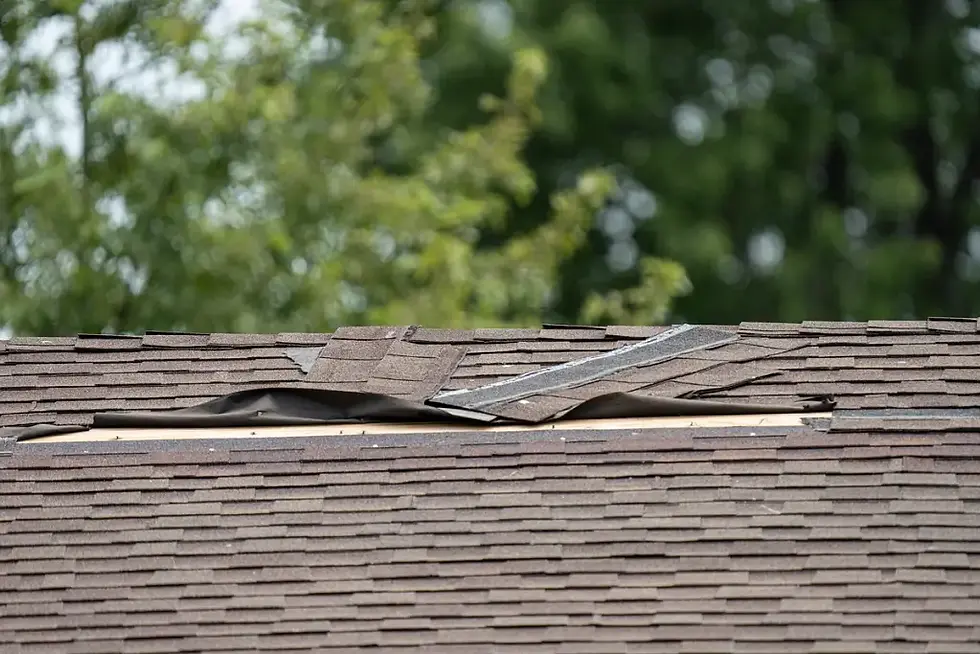
After a heavy storm passes, most homeowners check their yards, driveways, and siding. But the part of your home that takes the hardest hit is often the one that gets the least immediate attention: your roof. Storms can damage shingles, flashing, gutters, and ventilation systems without leaving obvious signs at first glance.
The problem is simple. Storm damage is often hidden. Water can enter through a small crack or lifted shingle and travel through the roof structure, insulation, and walls before you ever notice a stain. Many homeowners do not realize their roof is vulnerable until days or weeks later when interior leaks begin.
Understanding how to check your roof safely and effectively after a storm protects your home from long-term issues like mold growth, rotting roof decking, and structural deterioration. This guide explains the steps to take, what signs to look for, and when to call experts like Craig Gouker Roofing for a complete inspection.
Why Checking Your Roof After a Storm Matters
Heavy storms combine wind, rain, hail, and falling debris. Each of these can weaken different parts of your roof in ways that are not always easy to see.
The risks of not inspecting your roof include:
Leaks that grow rapidly
Damaged shingles that detach in future storms
Mold and attic moisture
Compromised roof structure
Higher repair costs later
Denied insurance claims due to delayed reporting
A proper post-storm inspection helps catch damage early while repairs are still simple and affordable.
How Do You Check Your Roof After a Heavy Storm?
You do not need to climb onto your roof to check for many signs of damage. In fact, performing a roof check from the ground and inside your home is much safer.
Here are the steps every homeowner should follow.
Step 1: Inspect Your Home’s Interior
Storm-related roof damage often reveals itself inside the home first.
Look for Water Stains or Discoloration
Check ceilings, walls, and around skylights for:
Brown or yellow stains
Damp patches
Bubbling or peeling paint
Soft drywall
Any discoloration means water has already entered your home.
Listen for Dripping Sounds
Sometimes leaks drip behind walls or into insulation before they reach your ceiling surface.
Check the Attic
Use a flashlight and inspect for:
Wet insulation
Damp wood
Mold or mildew odors
Light shining through the roof decking
Dripping or pooling water
If your attic smells musty after a storm, leaks may already be forming.
Step 2: Walk Around the Outside of Your Home
A ground-level inspection reveals many forms of storm damage without climbing on the roof.
Look for Missing or Damaged Shingles
Signs include:
Bare patches
Loose shingles on the ground
Shingles lying in the yard
Pieces of torn shingles near gutters
Even one missing shingle can lead to leaks.
Check for Lifted or Curling Shingles
Lifted shingles indicate wind damage and broken adhesive seals. These areas become vulnerable during the next storm.
Examine Roof Edges and Valleys
Wind and debris concentrate in these areas. Look for:
Uneven shingle lines
Exposed edges
Damaged ridge caps
These areas often suffer the earliest storm damage.
Inspect Chimneys and Skylights for Issues
Watch for:
Cracked or loose flashing
Gaps in sealant
Missing protective edging
These areas are the most common leak sources after storms.
Step 3: Evaluate Gutters and Downspouts
Storms often cause subtle gutter damage that leads to roof issues.
Look for Overflow or Clogs
If water spills over the gutter edges during a storm, debris may be blocking proper drainage.
Check for Granules in Gutters
Shingle granules look like coarse black sand. Excessive granules indicate shingle aging or storm impact.
Inspect for Gutter Misalignment
Bent or detached gutters interrupt water flow and can cause water to back up under your roof siding.
Step 4: Look for Fallen Debris
Storm debris may seem harmless, but even small branches can damage shingles or puncture the roof.
Remove or inspect areas with:
Tree branches
Twigs
Leaves
Heavy debris
Large debris impacts require immediate professional inspection.
Step 5: Look for Exterior Structural Damage
Severe storms can damage roof-supporting structures.
Check for damage to:
Fascia boards
Soffits
Roof vents
Metal flashing
If any of these are cracked, bent, or missing, repairs are needed.
Step 6: Assess the Roof from a Safe Distance
Use binoculars for a closer look without climbing the roof. Check for:
Wavy or uneven shingles
Sagging rooflines
Cracked vents or broken chimney covers
Any irregularities may indicate deeper issues beneath the shingles.
Step 7: Know When to Call a Professional
Some damage is easy to see. Much of it is not. For example, wind may lift shingles just enough to break the waterproof seal while leaving them visually intact.
Call a professional if you notice:
Any visible storm damage
Water stains inside
Missing or lifted shingles
Loose flashing
Damp attic insulation
Moldy odors
Gutter overflow during storms
A professional roofer knows how to find hidden leaks and seal failures that homeowners usually miss.
People Also Ask
Can storm damage be invisible at first?
Yes. Many leaks begin under lifted shingles or cracked flashing, where water slowly enters over days or weeks.
How soon after a storm should I check my roof?
Check your roof as soon as it is safe. Early detection helps with insurance claims and prevents long-term damage.
What is the most common storm-related roof issue?
Wind-lifted shingles and damaged flashing are the most common causes of post-storm leaks.
Should I climb onto my roof after a storm?
No. Wet roofs are slippery and unsafe. Ground-level inspection is safer, and a professional assessment is recommended.
Frequently Asked Questions
Does insurance cover storm-related roof damage?
Often yes, but documentation must be collected quickly to ensure approval.
What if only one shingle is missing?
Even one missing shingle can allow water intrusion. Repair is recommended immediately.
Can storms damage older roofs more easily?
Yes. Older shingles lose flexibility and adhesion, making them more vulnerable to wind and rain.
What if I do not see leaks right away?
Leaks often show up days later. Attic checks and professional inspections help catch hidden moisture.
How do professionals inspect storm damage?
Roofers check shingles, flashing, gutters, attic areas, moisture levels, and hidden structural issues.
Protect Your Home with a Professional Storm Inspection
Checking your roof after a heavy storm is essential for preventing long-term damage. While homeowners can identify obvious issues, many storm-related problems require trained eyes to spot.
If your home recently experienced heavy wind, rain, or hail, schedule a professional post-storm inspection with Craig Gouker Roofing. Our team provides detailed evaluations, protects your home from hidden leaks, and offers trusted repair solutions.
Call (412) 664-7679 or fill out an online form to book your storm inspection today. Your home deserves fast, reliable protection after every storm.


Comments