


How Do You Choose the Right Shingle Color?
- Craig Gouker Roofing

- Jan 2
- 5 min read
AI Summary
Shingle color affects curb appeal, energy efficiency, and how well your roof ages over time.
Home style, siding color, climate, and neighborhood trends all influence the best choice.
Lighter and darker shingles perform differently depending on sun exposure and ventilation.
Craig Gouker Roofing helps homeowners choose shingle colors that balance appearance and performance.
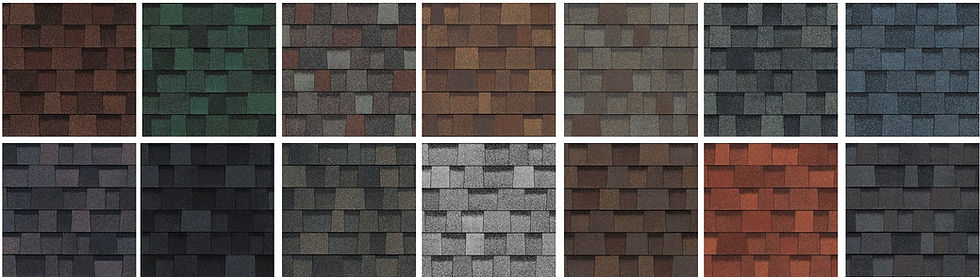
Understanding the Problem: Shingle Color Is More Than a Style Choice
Many homeowners believe choosing a shingle color is purely about appearance. While curb appeal is important, shingle color also affects heat absorption, roof longevity, and how visible aging will be over time. Picking the wrong color can make a home look unbalanced, increase cooling costs, or highlight wear sooner than expected.
Shingle color is a long-term decision. Roofs last for decades, and the color you choose will define your home’s appearance for years. Unlike paint or décor, shingles are not easy to change once installed. That is why it is important to consider performance, surroundings, and architectural style before making a final decision.
Understanding how shingle color impacts both function and aesthetics helps homeowners choose a roof that looks great and performs well year after year.
Matching Shingle Color to Your Home’s Exterior
The first factor in choosing the right shingle color is your home’s exterior features. Siding color, brick tone, stonework, trim, and even window frames all influence how a roof color looks once installed.
Homes with neutral siding, such as beige, gray, or white, have more flexibility. These exteriors pair well with a wide range of shingle colors, from warm browns to deep charcoals. Homes with bold siding colors require more careful selection to avoid clashing.
Brick homes benefit from shingle colors that complement the brick’s undertones. Red brick often pairs well with brown, black, or dark gray shingles. Lighter brick works well with medium gray or weathered wood tones. Stone exteriors typically look best with blended shingle colors that echo the natural variation of the stone.
Trim color also matters. White or light trim creates contrast with darker shingles, while dark trim blends more smoothly with medium tones. The goal is to create balance rather than draw attention to one element.
Considering Your Home’s Architectural Style
Architectural style plays a major role in choosing the right shingle color. Traditional homes often look best with classic shingle shades that enhance timeless appeal. Colonial and farmhouse styles commonly pair well with black, dark gray, or weathered wood tones.
Modern homes often favor clean lines and neutral palettes. These homes look best with charcoal, slate, or cool gray shingles that reinforce a contemporary appearance. Mediterranean or southwestern styles may benefit from warmer earth tones that complement stucco or clay elements.
Ranch-style homes typically look balanced with medium-toned shingles that do not overwhelm the structure. The roof should enhance the home’s shape without dominating it.
Choosing a shingle color that matches the home’s architectural style ensures the roof feels intentional rather than out of place.
How Climate Affects Shingle Color Choice
Climate is another important consideration when selecting shingle color. Shingles absorb heat differently depending on color, which can affect attic temperature and energy efficiency.
Darker shingles absorb more heat from sunlight. In colder climates, this can be beneficial during winter by helping snow melt more quickly and reducing ice buildup. However, in warmer climates, darker shingles can increase attic temperatures and place additional strain on cooling systems.
Lighter shingles reflect more sunlight, helping keep attics cooler during hot weather. This can improve energy efficiency and comfort in warmer regions. However, lighter colors may show dirt, algae, or staining more easily depending on local conditions.
Modern shingles often include reflective technology that helps reduce heat absorption regardless of color. Proper ventilation and insulation also play a significant role in managing roof temperature, sometimes more than color alone.
How Shingle Color Affects Aging and Appearance Over Time
All shingles age, but some colors show wear more clearly than others. Darker shingles tend to hide dirt, debris, and minor staining better than lighter colors. This can choosing darker tones a practical option for homes in wooded or dusty areas.
Lighter shingles may show algae streaks, pollen buildup, or discoloration sooner. In humid climates, algae-resistant shingles are especially important for lighter colors to maintain appearance.
Blended or variegated shingle colors are often a smart choice because they mask subtle aging and granule loss. These shingles combine multiple tones, creating depth that hides wear better than solid colors.
Homeowners should think about how their roof will look not just when it is new, but after ten or fifteen years of exposure.
Neighborhood and Resale Considerations
Neighborhood consistency can influence shingle color choice, especially for homeowners concerned about resale value. While you do not need to match neighboring roofs exactly, choosing a color that fits the area helps maintain visual harmony.
Homes with extreme or unconventional roof colors may stand out in ways that are not appealing to future buyers. Neutral and classic shingle colors tend to have broader appeal and age better in changing housing markets.
If resale value is a priority, it is often best to choose a shingle color that complements the neighborhood while still enhancing your home’s unique features.
Manufacturer Color Options and Samples
Shingle manufacturers offer a wide range of colors, but samples often look different in person than they do online. Lighting conditions, roof slope, and surrounding colors all affect how shingles appear once installed.
Viewing physical samples in natural daylight helps homeowners make more confident decisions. Some contractors also provide digital previews to show how different shingle colors will look on your specific home.
Working with a professional ensures you understand how color variations appear across the entire roof surface rather than in small sample sections.
Common Mistakes Homeowners Make When Choosing Shingle Color
One common mistake is choosing a shingle color based solely on trends. What looks popular today may feel dated in ten years. Classic colors tend to stand the test of time better than trendy shades.
Another mistake is ignoring the home’s fixed elements, such as brick, stone, or permanent siding. These features cannot be changed easily, so the roof color should complement them rather than compete.
Some homeowners also overlook the impact of lighting. A shingle color may appear lighter or darker depending on sun exposure and roof orientation. Professional guidance helps avoid surprises after installation.
Why Professional Guidance Makes a Difference
Choosing the right shingle color can feel overwhelming given the number of options available. Roofing professionals understand how color interacts with materials, climate, and architectural style.
A consultation with Craig Gouker Roofing helps homeowners evaluate color options based on performance, aesthetics, and long-term value. Professionals can recommend colors that enhance curb appeal while supporting roof longevity.
People Also Ask
Does shingle color affect roof temperature?
Yes. Darker shingles absorb more heat, while lighter shingles reflect more sunlight.
Should the roof color match the siding or the trim?
Roof color should complement siding and trim, not necessarily match exactly.
Are lighter shingles better for energy efficiency?
In warm climates, lighter shingles can help reduce attic heat.
Do darker shingles last longer?
Lifespan depends more on quality and ventilation than color alone.
Frequently Asked Questions
Can I choose a shingle color different from my neighbors?
Yes, but staying within a similar color family often improves resale appeal.
Will algae show more on lighter shingles?
Yes, unless algae-resistant shingles are used.
Can shingle color affect home value?
Yes. Well-chosen colors enhance curb appeal and buyer interest.
Should I consider blended shingles?
Blended colors hide aging and debris better than solid tones.
Can a roofer help me choose the right color?
Yes. Professional guidance prevents costly mistakes and ensures visual balance.
Choose a Shingle Color That Looks Good and Performs Well
Choosing the right shingle color is about balancing appearance, performance, and long-term value. The best choice complements your home’s exterior, fits the local climate, and maintains curb appeal as the roof ages.
For expert help selecting the right shingle color and professional roof installation, contact Craig Gouker Roofing. Our team helps homeowners make confident roofing decisions that protect their investment.
Call (412) 664-7679 or fill out an online form to schedule your roofing consultation today.


Comments