


How Do You Know If Your Roof Has Storm Damage?
- Craig Gouker Roofing

- Mar 30
- 5 min read
AI Summary
Storm damage can appear as missing shingles, dents, leaks, or granule loss after severe weather.
Wind, hail, and heavy rain can weaken roofing materials even when damage is not immediately visible.
Early inspections help prevent leaks and structural problems from worsening.
Craig Gouker Roofing provides professional inspections to identify storm damage and recommend the right repairs.
Understanding the Problem: Storm Damage Is Not Always Obvious
Severe weather can cause significant damage to residential roofing systems. High winds, hail, and heavy rain can weaken shingles, loosen flashing, and expose vulnerable areas of the roof. However, storm damage is not always easy to recognize from the ground.
In many cases, roofing problems begin with small issues that gradually worsen over time. If storm damage goes unnoticed, moisture can enter the roof structure and lead to costly repairs.
Understanding how to identify signs of storm damage helps homeowners take action before minor problems become major concerns.
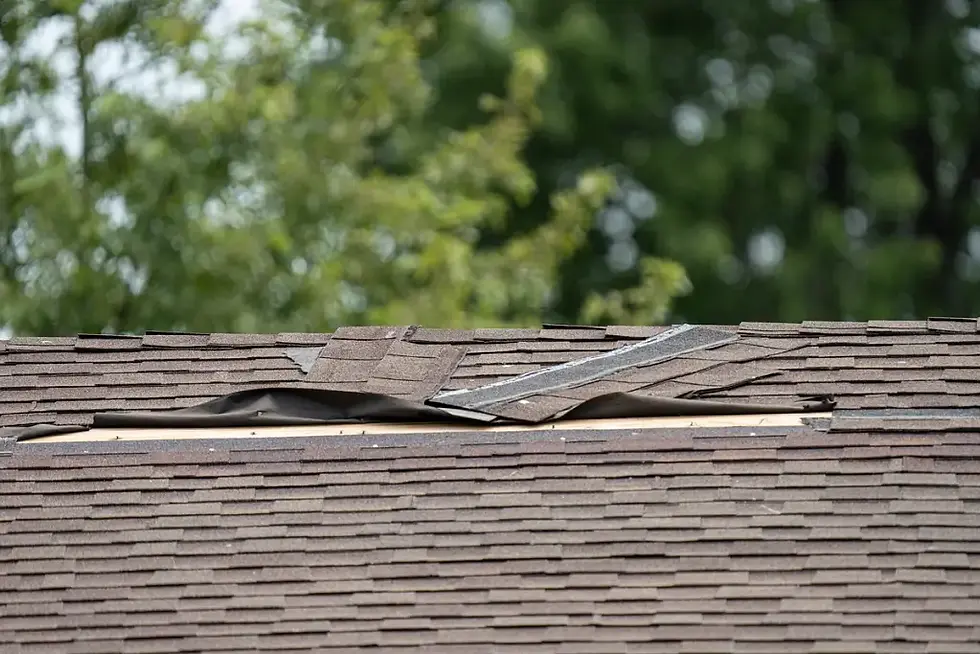
Missing or Lifted Shingles
One of the most visible signs of storm damage is missing or lifted shingles. Strong winds can loosen shingles and pull them away from the roof surface.
Even when shingles remain attached, wind may break the adhesive seal that holds them in place. This makes shingles more vulnerable to future storms and increases the risk of water intrusion.
If you notice patches on the roof where shingles appear uneven or missing, a professional inspection is recommended.
Hail Impact on Roofing Materials
Hailstorms can cause serious damage to roofing materials, particularly asphalt shingles. When hailstones strike the roof, they may leave dents, cracks, or impact marks.
Hail damage often causes granules to loosen from shingles. Granules help protect roofing materials from sunlight and weather exposure. When granules are lost, shingles deteriorate more quickly.
Because hail damage can be subtle, it may require professional inspection to confirm the extent of the impact.
Granules Accumulating in Gutters
Another sign of storm damage is the presence of shingle granules in gutters or downspouts. After severe weather, homeowners may notice large amounts of gritty debris collecting in the gutter system.
Granule loss weakens the protective surface of shingles and can shorten the lifespan of the roof. While small amounts of granules are normal as roofs age, excessive buildup after a storm may indicate damage.
Checking gutters after storms can provide clues about the condition of roofing materials.
Dents in Metal Components
Storm damage may also affect metal roofing components such as flashing, vents, and gutters. Hail and debris can leave visible dents in these surfaces.
While dents may seem minor, they can weaken metal components and affect how they protect the roof from water intrusion.
Examining metal parts of the roof system after severe weather can help reveal signs of storm impact.
Roof Leaks or Interior Water Stains
Sometimes storm damage becomes noticeable inside the home before it is visible on the roof. Water stains on ceilings or walls often indicate that moisture has entered the roofing system.
Leaks may appear days or even weeks after a storm if water slowly penetrates weakened areas of the roof. Homeowners may also notice peeling paint or damp insulation in the attic.
Interior signs of moisture should never be ignored because they often indicate underlying roof damage.
Damaged Flashing Around Roof Penetrations
Flashing protects areas where the roof meets chimneys, skylights, vents, or walls. Storms can loosen or damage flashing, allowing water to enter these vulnerable areas.
Wind-driven rain can push water beneath damaged flashing and into the roof structure. Once flashing is compromised, leaks may develop during the next rainfall.
Inspecting flashing after a storm helps identify potential entry points for moisture.
Fallen Debris on the Roof
Storms often bring falling branches, tree limbs, or debris that can strike the roof. Even small branches may crack shingles or dislodge roofing materials.
Larger debris can puncture roofing surfaces or damage structural components beneath the shingles. If debris lands on the roof during a storm, homeowners should schedule an inspection to assess potential damage.
Removing debris quickly also helps prevent additional problems caused by trapped moisture.
Wind Damage to Roof Edges
Roof edges are especially vulnerable during windstorms. Strong gusts can lift shingles at the edges of the roof and expose the underlayment beneath them.
Once the edges are compromised, wind and rain can easily penetrate the roofing system. Edge damage often spreads quickly if it is not repaired promptly.
Inspecting roof edges after storms helps identify early signs of wind damage.
Attic Inspection for Hidden Damage
Some storm damage may only be visible from inside the attic. Homeowners may notice sunlight shining through the roof boards or damp areas on the underside of the roof decking.
Moisture buildup, mold growth, or insulation damage can also indicate that water has entered the roofing system.
Checking the attic after severe weather can help reveal hidden issues that may not be visible from outside.
Why Professional Roof Inspections Matter
While homeowners can look for visible signs of damage, many storm-related problems are difficult to detect without professional training. Roofing professionals understand how storms affect different roofing materials and structures.
A professional inspection from Craig Gouker Roofing can identify damage that may otherwise go unnoticed. Early detection allows homeowners to repair the roof before leaks or structural issues worsen.
Professional inspections provide peace of mind after severe weather events.
Acting Quickly After Storm Damage
Addressing storm damage quickly helps prevent further problems. Even small areas of damage can allow water to enter the roof structure and spread throughout the home.
Prompt repairs help protect insulation, drywall, and wooden framing from moisture damage. Early action also helps homeowners avoid more expensive repairs later.
Scheduling a roof inspection after severe weather is one of the best ways to protect the home.
People Also Ask
What does storm damage look like on a roof?
Common signs include missing shingles, dents, granule loss, and leaks.
Can a roof leak after a storm even if it looks fine?
Yes. Hidden damage may allow water to enter over time.
Should roofs be inspected after severe weather?
Yes. Professional inspections help identify damage early.
Does hail always damage shingles?
Not always, but strong hail can weaken shingles and reduce their lifespan.
Frequently Asked Questions
How soon should a roof be inspected after a storm?
Homeowners should schedule an inspection as soon as possible.
Can wind damage shingles without removing them?
Yes. Wind can loosen shingle seals and weaken their attachment.
Do gutters show signs of roof storm damage?
Yes. Granule buildup in gutters may indicate shingle damage.
Can storm damage shorten the roof's lifespan?
Yes. Damaged materials may deteriorate more quickly.
Who should inspect a roof after severe weather?
Experienced roofing professionals should perform the inspection.
Protect Your Home After Storm Damage
Storms can cause hidden roof damage that leads to leaks and structural problems if left untreated. Knowing how to recognize the signs of storm damage helps homeowners take action before the situation worsens.
If your home has experienced severe weather, the experts at Craig Gouker Roofing can provide a professional roof inspection and reliable repair solutions.
Call (412) 664-7679 or fill out an online form to schedule your storm damage roof inspection today.


Comments