


How Does Tear-Off Compare to Roof Overlay Work?
- Craig Gouker Roofing

- Jan 23
- 5 min read
AI Summary
A tear-off removes old roofing materials completely, while a roof overlay installs new shingles over existing ones.
The tear-off provides better long-term performance and allows full inspection of the roof decking.
Roof overlay costs less upfront but has limitations and a shorter lifespan.
Craig Gouker Roofing helps homeowners decide which option best protects their home and budget.
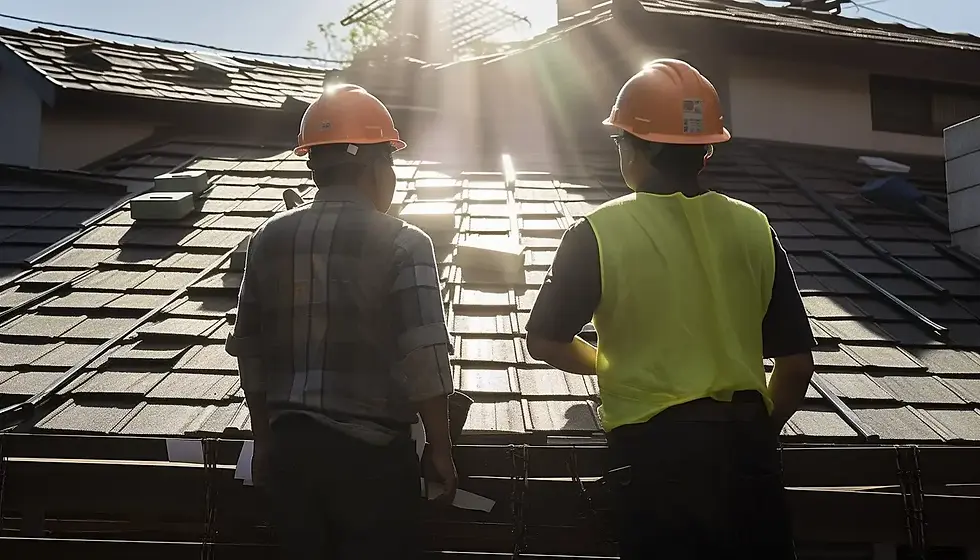
Understanding the Problem: Homeowners Face Two Very Different Roofing Options
When a roof reaches the end of its lifespan, homeowners are often presented with two options. One is a full tear-off, where all existing roofing materials are removed before installing a new roof. The other is a roof overlay, where new shingles are installed directly over the existing roof.
At first glance, a roof overlay may seem appealing because it is faster and less expensive. However, the choice between tear-off and overlay has long-term consequences for roof performance, durability, and cost. Understanding how these options compare helps homeowners make informed decisions rather than choosing based on price alone.
What is a Roof tear-off?
A roof tear-off involves completely removing all existing shingles, underlayment, and damaged components down to the roof decking. Once the roof is stripped, contractors inspect the decking and structure for damage.
Any rotted or weakened decking is repaired or replaced before new underlayment, flashing, and shingles are installed. This process essentially resets the roofing system and allows the new roof to perform as designed.
Tear-off requires more labor, time, and disposal costs, but it provides the most thorough and reliable roofing solution.
What Is a Roof Overlay?
A roof overlay involves installing new shingles directly over the existing shingles without removing the old roof. This method is sometimes called a roof layover.
Overlay work reduces labor and disposal costs because old materials remain in place. The project is completed faster and with less mess. However, an overlay is only possible under certain conditions and is not suitable for every roof.
Building codes often limit the number of shingle layers allowed. Most homes can only have one overlay before a full tear-off becomes mandatory.
Upfront Cost Differences
One of the main reasons homeowners consider a roof overlay is cost. Overlay typically costs less upfront because it eliminates tear-off labor and disposal fees.
Tear-off costs more initially due to removal, inspection, and potential decking repairs. While the upfront price is higher, tear-off often provides better long-term value by reducing future repairs and extending the roof's lifespan.
Choosing based solely on initial cost can lead to higher expenses later.
Long-Term Performance Comparison
Roof tear-off offers superior long-term performance. Removing old materials allows contractors to install the new roof on a clean, stable surface. This ensures proper shingle sealing, ventilation, and moisture protection.
Roof overlay places new shingles over an uneven surface. Existing shingles may already be curled, brittle, or damaged. These imperfections transfer to the new layer, reducing performance and lifespan.
Overlay roofs are more prone to heat retention, improper sealing, and premature aging.
Ability to Inspect and Repair Decking
One of the biggest advantages of tear-off is the ability to inspect the roof decking. Hidden moisture damage, rot, or structural issues are often discovered only after shingles are removed.
With overlay, the decking remains hidden. Any existing damage continues to worsen beneath the new roof. This can lead to leaks and structural problems that require early replacement.
A tear-off allows problems to be fixed before they become expensive emergencies.
Weight and Structural Considerations
Roof overlay adds significant weight to the roof structure. Multiple layers of shingles increase stress on rafters and decking.
Older homes or roofs with existing structural issues may not safely support the added weight. The tear-off removes old materials and keeps the roof weight within design limits.
Structural safety is an important factor when comparing these options.
Impact on Shingle Lifespan
New shingles installed over old ones often have a shorter lifespan. Heat becomes trapped between layers, accelerating shingle aging.
Shingles installed on a tear-off roof stay cooler and ventilate more effectively. This helps them last closer to their rated lifespan.
Manufacturers often reduce or void warranties on overlay installations, further reducing long-term value.
Ventilation and Energy Efficiency
Proper ventilation is harder to achieve with a roof overlay. Trapped heat between layers raises attic temperatures and increases cooling costs.
The tear-off allows ventilation upgrades and proper underlayment installation. Improved airflow protects shingles and improves energy efficiency.
Homes with overlay roofs often experience higher attic temperatures and increased energy usage.
Leak Detection and Prevention
Leaks are harder to detect and repair in overlay roofs. Water can travel between layers before becoming visible inside the home.
Tear-off roofs provide a clean installation with modern underlayment and flashing. This reduces leak risk and makes future inspections easier.
Preventing leaks is easier when the entire roofing system is accessible.
Code Compliance and Insurance Considerations
Building codes often restrict the number of shingle layers allowed. The tear-off ensures compliance with local regulations.
Some insurance companies prefer or require tear-off replacement for coverage or claims approval. Overlay roofs may complicate insurance claims after storm damage.
Checking local codes and insurance requirements is important before choosing an overlay.
When Roof Overlay Might Make Sense
Roof overlay may be acceptable in limited situations. The existing roof must be in good condition with no leaks, minimal wear, and only one layer of shingles.
Overlay may be considered for temporary solutions or when budget constraints are severe. Even then, homeowners should understand the trade-offs involved.
Overlay is not recommended for roofs with existing damage or ventilation issues.
Why Tear-Off Is Often the Better Investment
Although tear-off costs more initially, it offers better protection, a longer lifespan, and fewer future repairs. It allows contractors to correct underlying problems and install a complete roofing system.
Homeowners planning to stay in their home long-term usually benefit more from tear-off replacement.
Tear-off also improves resale value by providing buyers with confidence in the roof condition.
The Importance of Professional Guidance
Choosing between tear-off and overlay requires professional evaluation. Roofers assess roof condition, structure, ventilation, and code requirements.
An inspection from Craig Gouker Roofing provides homeowners with honest recommendations based on safety, performance, and long-term value. Professional guidance helps homeowners avoid short-term decisions that lead to long-term costs.
People Also Ask
Is a roof overlay cheaper than a tear-off?
Yes, upfront, but often more expensive long-term.
How many times can a roof be overlaid?
Most codes allow only one overlay.
Does overlay shorten roof lifespan?
Yes. Trapped heat and uneven surfaces reduce durability.
Can I overlay damaged shingles?
No. Damaged roofs require tear-off.
Frequently Asked Questions
Does a tear-off increase the roof replacement time?
Yes, slightly, but it improves overall quality.
Will tearing off create more mess?
Professional contractors manage debris and cleanup.
Can overlay void shingle warranties?
Yes, in many cases.
Is a tear-off required for older homes?
Often, yes, due to structural and code concerns.
Which option adds more home value?
Tear-off replacement adds more value and buyer confidence.
Choose the Right Roofing Approach for Your Home
Understanding how tear-off compares to roof overlay helps homeowners make informed roofing decisions. While overlay may save money upfront, tear-off delivers better performance, safety, and longevity.
For expert advice and professional roof replacement services, contact Craig Gouker Roofing. Our team evaluates your roof and recommends the best solution for lasting protection.
Call (412) 664-7679 or fill out an online form to schedule your roofing consultation today.


Comments