


Signs You Need Siding Replacement in Western Pennsylvania

AI Summary
Warped, cracked, or buckling siding panels are some of the clearest visual signs that replacement is overdue on a Western PA home.
Western Pennsylvania's freeze-thaw cycles accelerate siding deterioration, making annual inspection especially important for homeowners in Allegheny, Washington, and Westmoreland Counties.
Damaged siding is not just a cosmetic issue; it can allow moisture intrusion that leads to structural damage, mold, and higher energy bills.
Craig Gouker Roofing has served Pittsburgh-area homeowners for over 34 years and holds credentials as an Owens Corning Platinum Preferred Contractor, with the expertise to assess and replace siding properly.
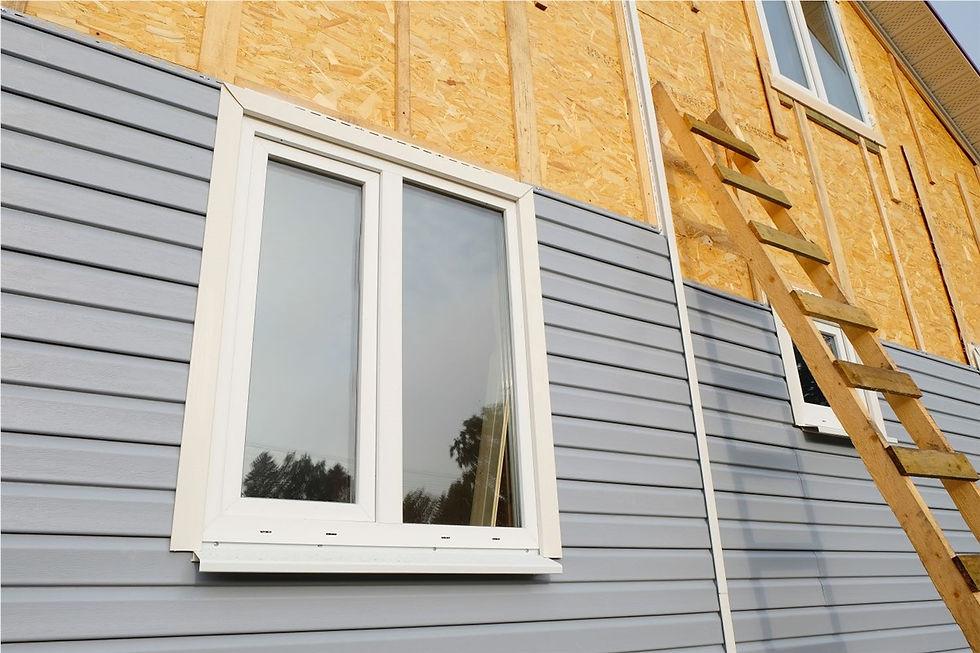
Your siding looks a little off. Maybe it is a panel that seems to be pulling away from the wall, or a section where the paint keeps peeling no matter how many times you touch it up. You tell yourself it is just cosmetic, something to deal with next season. Here is the problem with that thinking: siding is your home's first line of defense against rain, wind, and the kind of brutal freeze-thaw weather that Western Pennsylvania deals with every winter.
Ignoring the warning signs long enough turns a straightforward replacement project into a much more expensive repair involving sheathing, insulation, and sometimes framing. For Pittsburgh-area homeowners, the stakes are especially high because our climate is hard on exterior materials. If you have been wondering whether it is time to act, our Siding Installation page walks through what the process looks like and what to expect when you call us.
How to Tell Your Siding Has Run Its Course
The warning signs that your siding needs replacement are not always dramatic. Sometimes they are subtle changes that build up over several years before they become impossible to ignore. The most telling indicators fall into a few clear categories, and recognizing them early is what separates a manageable project from a costly emergency.
Start with a visual walk around your home. Look for panels that are cracked, chipped, or visibly warped. Warping and buckling are especially telling because they signal that moisture has already worked its way behind the surface. If you notice sections where the siding feels soft or spongy when you press against it, that softness means rot, and rot does not stop spreading on its own.
Also look for:
Panels that have pulled away from the wall or show gaps at the seams
Paint that repeatedly peels or blisters in the same spots despite multiple touch-ups
Fading or discoloration that has become uneven across large sections of the wall
Visible cracks or holes, even small ones, that allow water and pests to get behind the surface
Any of these individually can point to siding that is nearing the end of its useful life. When several appear together, that combination is a strong indicator that repairs will not be enough and that a full replacement is the more practical path forward.
What Western PA Weather Does to Your Exterior
Western Pennsylvania winters are relentless on exterior surfaces. When temperatures drop and snow accumulates, then warm slightly during the day and refreeze at night, that freeze-thaw cycle forces moisture into every small crack and seam in your siding. Over time, those cracks widen, joints separate, and panels lose their ability to shed water effectively.
This is the same dynamic that causes ice dams on roofs across Allegheny County, and it applies just as much to vertical surfaces. Homeowners in West Mifflin and Bethel Park who have older siding materials often notice this damage accelerating after several back-to-back hard winters. The good news is that modern siding products are engineered with tighter tolerances to handle exactly this kind of climate stress, which is one reason upgrading pays off quickly in this region. For more on how Pittsburgh's climate affects exterior materials, our post on How Long Does a New Roof Last in Pittsburgh's Climate? covers the underlying weather patterns that drive deterioration across your entire home exterior.
The Hidden Damage You Cannot See from the Street
Visible deterioration is only part of the story. Some of the most important warning signs show up inside your home. If your heating and cooling bills have climbed noticeably without any change in your habits, compromised siding could be the reason. Gaps and failing seams allow conditioned air to escape and outside air to infiltrate, putting extra strain on your HVAC system.
Also watch for:
Interior wall discoloration or staining, particularly around windows and where walls meet the floor
Peeling paint or wallpaper on interior walls that back up against exterior surfaces
A persistent musty smell in rooms along exterior walls, which can indicate trapped moisture and mold growth behind the siding
Any one of these on its own warrants a closer look. More than one at the same time means it is time to call a professional. While you are evaluating your home's exterior, it is also worth checking whether your gutters are directing water away from your foundation properly, since failing gutters accelerate siding damage at the base of the walls. Our Gutter Guards (Shur Flo) solution helps eliminate the overflow and debris buildup that contributes to that problem.
Practical Questions About Timing and Cost
One of the most common questions homeowners ask is whether they should wait until spring to schedule a siding replacement. The short answer is that acting sooner is almost always better than waiting. Damaged siding that lets moisture in during winter can cause significant structural damage to sheathing and insulation before spring arrives.
Costs vary depending on the size of your home, the material you choose, and the condition of what is underneath the existing siding. We do not quote figures without seeing your home first, because every project is different. What we can tell you is that addressing replacement before the damage spreads almost always costs less than addressing it after. Contact us for an accurate, no-pressure estimate specific to your situation. You can also browse our full range of exterior services, including Roof Replacement, on our services page for a complete picture of how we protect Pittsburgh-area homes.
When to Stop Waiting and Make the Call
If your siding is showing multiple warning signs at once, do not wait for one more winter to confirm what you already suspect. A professional inspection will tell you whether targeted repairs can extend the life of your current siding or whether a full replacement is the more cost-effective path forward.
Homeowners who are also evaluating contractors during this process may find our post on How to Find a Trustworthy Roofing Contractor in West Mifflin or Bethel Park helpful, as the same principles that apply to choosing a roofing contractor apply equally when hiring someone to replace your siding.
Why Pittsburgh-Area Homeowners Trust Craig Gouker Roofing
Craig Gouker Roofing has been protecting Pittsburgh-area homes for over 34 years. That longevity is not just a number. It reflects decades of hands-on experience with the specific weather patterns, building styles, and material challenges that Western Pennsylvania homeowners face. Our team has worked through hundreds of Pittsburgh winters and understands what exterior systems need to hold up through them.
Our status as an Owens Corning Platinum Preferred Contractor reflects installation standards and product quality that only a small percentage of contractors nationwide qualify to offer. Earning and maintaining that standing requires consistent performance, not just a one-time certification. When you hire us, you get materials backed by a manufacturer warranty and workmanship backed by a team that has built its reputation in this region over more than three decades.
We serve homeowners across Allegheny, Washington, and Westmoreland Counties, including West Mifflin, Bethel Park, and the greater Pittsburgh area, and we have built that reputation on straightforward advice, quality materials, and work that holds up through the kind of winters this region demands. When you call us, you get an honest assessment, not a sales pitch.
People Also Ask
How do I know if I need new siding or just a repair?
If the damage is isolated to one or two panels with no moisture intrusion behind them, targeted repairs may be sufficient. When warping, rot, or moisture damage affects multiple areas or the underlying sheathing, replacement is typically the more cost-effective and durable solution. A professional inspection is the most reliable way to make that determination.
How long does vinyl siding last in Pennsylvania?
Vinyl siding typically lasts between 20 and 40 years depending on the quality of the product, the quality of the installation, and how well the home is maintained. Western Pennsylvania's freeze-thaw climate can shorten that lifespan if moisture infiltration goes unaddressed for extended periods.
Is it worth replacing siding before selling a home?
Fresh siding is one of the highest-return exterior upgrades you can make before listing a home. It improves curb appeal immediately, signals to buyers that the home has been well maintained, and can eliminate concerns that would otherwise show up during a home inspection and complicate a sale.
What time of year is best for siding replacement in Pittsburgh?
Late spring through early fall tends to be the most practical window for siding replacement in the Pittsburgh area. Mild temperatures allow materials to be handled and installed properly. That said, experienced contractors can work outside that window when the project is urgent.
FAQ
How long does a siding replacement project typically take?
Most residential siding replacement projects are completed within a few days to about a week, depending on the size of the home and whether any underlying damage needs to be addressed before the new material goes up. Your contractor should be able to give you a realistic timeline after the initial inspection.
Do I need permits for siding replacement in Allegheny County?
Permit requirements vary by municipality within Allegheny County. Your contractor should be familiar with local requirements in your specific city or township and can help you understand what is needed before work begins.
What siding materials perform best in Western PA's climate?
Insulated vinyl siding and fiber cement are both strong performers in Western Pennsylvania because they resist moisture absorption and handle temperature swings well. The right choice depends on your budget, your home's style, and your long-term maintenance preferences.
Will new siding help with my home's energy efficiency?
Yes. Properly installed siding with quality insulation backing reduces air infiltration, which is one of the main reasons energy bills climb when older siding begins to fail. Tighter, well-insulated siding helps your heating and cooling system work less to maintain a comfortable temperature.
Ready to Protect Your Home? Let Craig Gouker Roofing Take a Look
With more than 34 years serving Pittsburgh-area homeowners, our team has seen every siding failure pattern this climate produces, and we know how to address them the right way the first time. Whether you are dealing with obvious deterioration or subtle warning signs you cannot quite explain, getting a professional set of eyes on your exterior is the most important step you can take to protect your investment.
Do not wait for a small problem to become a structural one. Our team has the experience, the credentials, and the local knowledge to give your home the protection it deserves through every Pittsburgh winter ahead.
Visit Craig Gouker Roofing or call 412-664-7679 today. Our team is ready to provide an honest, no-pressure assessment of your siding and help you make the right call for your home. Contact us for more information.


Comments