


What Goes Under Roof Shingles on a Quality Roof?
- Craig Gouker Roofing

- 17 hours ago
- 7 min read
Key Takeaway
The roof underlayment layers installed beneath your shingles are your home's critical last line of defense against water intrusion.
Pittsburgh's freeze-thaw cycles and ice damming make proper underlayment selection more important here than in milder climates.
A quality roof system includes decking, ice-and-water shield, felt or synthetic underlayment, and proper starter strips working together.
Choosing a top-tier certified contractor ensures every layer is installed to manufacturer specifications for maximum warranty protection.
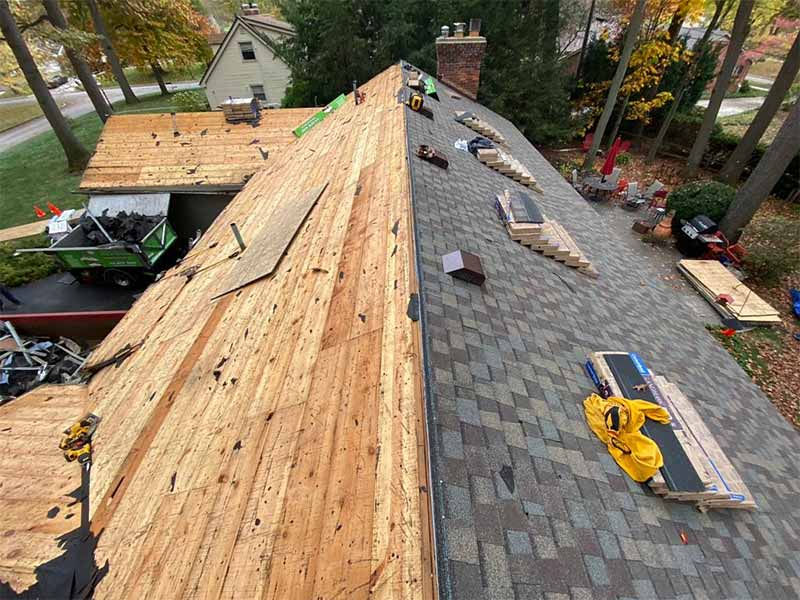
Most homeowners only see the shingles. What they rarely see is everything underneath those shingles that actually determines whether a roof holds up through a brutal Pittsburgh winter or a late-summer storm rolling through Bethel Park. The shingles get the attention, but the layers beneath them do the heavy lifting.
Skip or cut corners on any one of those layers and you are looking at water damage, mold, rotted decking, and a repair bill far larger than the original installation savings. If you're considering a roof replacement for your home in the Pittsburgh area, understanding what goes under your shingles is the smartest place to start.
Why Underlayment Matters More in Pittsburgh
These underlayment systems are not universal products you can specify the same way for every region. Pittsburgh's climate puts roofing systems through a punishing cycle that milder markets never experience. Temperatures swing repeatedly above and below freezing throughout the winter, and that freeze-thaw pattern is the primary reason ice damming is so common across Allegheny County.
Here is what that means for your roof: snow accumulates on the upper field of the roof, melts as heat escapes from the living space below, runs down toward the eaves, and then refreezes at the cold overhang. That ice backs water up under the shingles. Without the right underlayment in place, that water finds every fastener hole and seam and works its way into your home. The layers under the shingles are what stand between that backed-up water and your ceilings.
What Sits Between the Deck and Your Shingles
A properly built roof is not just shingles nailed to wood. It is a system with multiple layers working together, each with a specific job to do. Here is what a quality installation includes from the deck up:
The roof deck, typically oriented strand board or plywood, is the structural foundation everything else attaches to. Damaged or soft decking must be replaced before any other layer goes down.
Ice-and-water shield is a self-adhering membrane applied along eaves, valleys, and penetrations. It seals around nails and blocks water that backs up under shingles from ice dams.
Synthetic or felt underlayment covers the field of the roof above the ice-and-water shield. It provides a secondary moisture barrier and a stable surface for shingle installation.
Starter strip shingles are installed along the eaves and rakes to seal the first course and prevent wind uplift at the most vulnerable roof edges.
Proper ventilation, while not a layer you walk on, is part of the system. Balanced airflow through ridge and soffit vents reduces the heat buildup that causes ice damming in the first place.
Ice-and-Water Shield: The Most Critical Layer in Western PA
In warmer climates, some contractors apply ice-and-water shield only at the eaves and call it done. In Allegheny County, that approach falls short. Wind-driven rain during spring storms and the ice backing that comes with Pittsburgh winters demand more coverage than the minimum code requires.
A thorough installation extends ice-and-water shield up from the eave a minimum of 24 inches past the interior wall line. In valleys, it lines the full length. At every penetration, including pipes, chimneys, and skylights, it wraps and seals against the flashing.
Synthetic Underlayment Versus Felt
Traditional asphalt-saturated felt has been used for decades and still performs well. Synthetic underlayment has become the preferred option on high-quality installations because it is lighter, tear-resistant, and holds up better when the roof is exposed briefly during installation or when a repair leaves a section open to weather.
Synthetic underlayment also lies flatter, which matters for a clean, uniform shingle lay. On steep-pitch roofs common in older Pittsburgh neighborhoods, it also provides better footing for the crew working on it.
Ventilation as Part of the System
Attic ventilation is not an afterthought. A roof that is properly vented at the ridge and soffits maintains a consistent temperature across the deck. That consistent temperature reduces the melt-and-refreeze cycle that creates ice dams. It also extends the life of the shingles themselves by preventing heat buildup that accelerates granule loss. You can read more about how these factors affect longevity in our post on How Long Does a New Roof Last in Pittsburgh's Climate?
How Craig Gouker Roofing Installs the System
Not every roofer installs these layers with the same care or to the same standard. Craig Gouker Roofing holds Owens Corning's Platinum Preferred designation, earned by fewer than one percent of roofing contractors nationwide. That status means installations meet Owens Corning's strict quality requirements, which in turn qualifies homeowners for the strongest warranty coverage available.
What that means in practice: every layer, from the deck preparation through the ice-and-water shield placement to the final ridge cap, follows documented specifications. Nothing is skipped to save time or cost. The layers work together as an engineered system, not a collection of separate materials thrown on in sequence.
For help making sense of what different contractors are actually quoting you, our post on How to Compare Roofing Estimates Without Getting Confused by the Numbers walks through what to look for.
Cost and Practical Considerations
What you pay for a quality roof installation in the Pittsburgh area depends on the size and pitch of the roof, the condition of the existing decking, the number of penetrations that need flashing, and the specific products specified. There is no meaningful one-size figure to quote here because every home is different.
What is worth understanding is the cost relationship between materials. The difference in price between a standard underlayment and a premium synthetic, or the difference between minimal ice-and-water shield coverage and full valley coverage, is small compared to the cost of a single water damage remediation event. Protecting that investment further with well-maintained Gutter Guards (Shur Flo) ensures water exits the roof system cleanly rather than pooling and backing up at the eaves. The best time to discuss these options is before the project starts, not after.
People Also Ask
What is the purpose of underlayment under roof shingles?
Underlayment serves as a secondary moisture barrier between your shingles and the roof deck. If wind-driven rain gets under a shingle or water backs up from an ice dam, the underlayment prevents that moisture from reaching the wood beneath. Without it, even minor shingle damage can result in significant interior water damage.
Do I need ice-and-water shield on my entire roof?
Ice-and-water shield is typically required at eaves, valleys, and penetrations, but local code and climate should guide how much coverage you apply. In Pittsburgh, where ice damming is a recurring problem, extending coverage further up the eave and into all valleys provides meaningful additional protection that goes beyond minimum requirements.
How long does roof underlayment last?
Quality synthetic underlayment is designed to last as long as the shingles above it, typically 25 to 50 years depending on the shingle product. Felt underlayment can degrade faster, particularly if the roof is exposed to sun or moisture during installation. Proper shingle installation protects underlayment from UV exposure and extends its service life.
Is synthetic underlayment worth the extra cost?
For most Pittsburgh-area homeowners, yes. Synthetic underlayment is more durable during installation, lies flatter under shingles, and holds up better if the roof is briefly exposed to weather. The incremental cost difference is small relative to the full roof investment, and the performance advantage in a climate with heavy snow and wind-driven rain is meaningful.
FAQ
Can I see what is under my shingles during a re-roofing project?
Yes. Any reputable contractor should walk you through the tear-off and point out the condition of your decking, the existing underlayment, and any areas where water has already caused damage. Craig Gouker Roofing makes that part of every job so homeowners understand exactly what they are getting and why each layer matters.
Does Siding Installation also involve moisture barriers similar to underlayment?
It does. Quality siding installation includes a weather-resistant barrier behind the siding panels, serving a similar function to roof underlayment. It blocks wind-driven rain from reaching the sheathing and allows the wall assembly to drain and dry. Skipping it on siding is just as problematic as skipping underlayment under shingles.
How do I know if my current underlayment has failed?
Failed underlayment often shows up as water stains on ceiling drywall or in the attic, soft spots in the decking, or mold growth in the attic space. If your roof is more than 20 years old and you are seeing any of these signs, a professional inspection is the right next step before conditions worsen.
What happens if a contractor skips or shortchanges the underlayment?
You will not see the problem until water has already entered the home. Shingles installed over inadequate underlayment may look fine for years before a hard rain or ice event reveals the gap. Beyond the repair cost, skipping required layers can also void your shingle manufacturer's warranty, leaving you with no recourse on materials that underperform.
Ready to See What a Properly Built Roof Looks Like? Call Craig Gouker Roofing
With over 34 years of experience serving Pittsburgh, West Mifflin, Bethel Park, and communities across Allegheny, Washington, and Westmoreland Counties, Craig Gouker Roofing has built thousands of roofs the right way. Every project starts with honest evaluation, clear communication, and installation that does not cut corners on the layers that matter most.
Visit Craig Gouker Roofing or call 412-664-7679 today. A properly installed roof system protects your home for decades, and getting every layer right from the start is the only way to ensure it does. Contact us for more information.


Comments